About BIMETAL RELAY WITH SINGLE PHASING PROTECTION
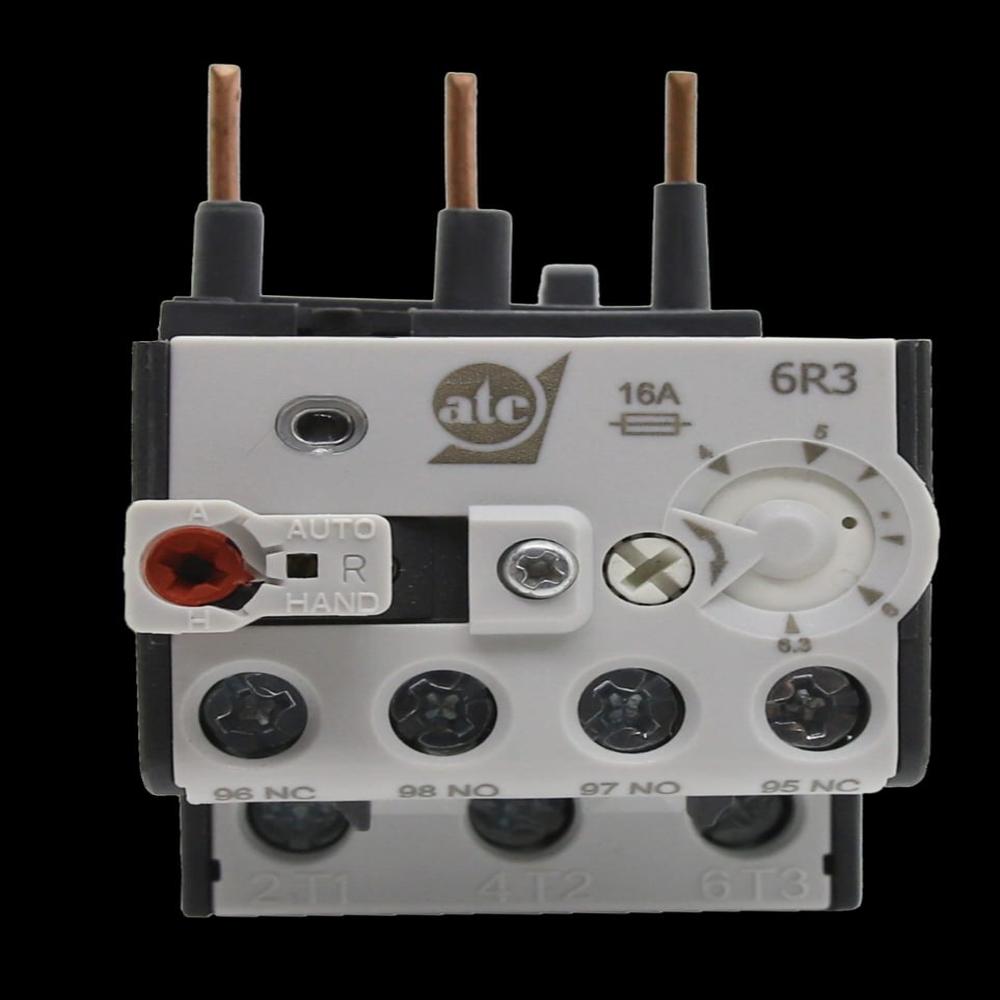
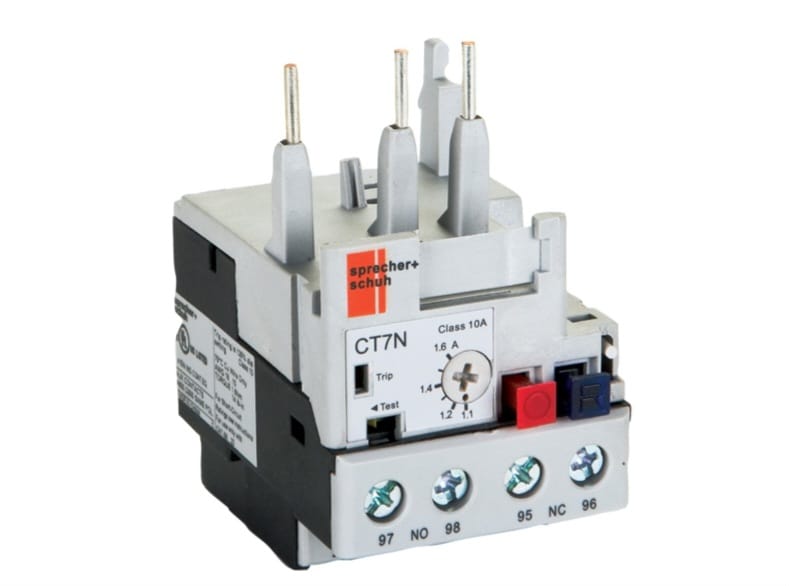
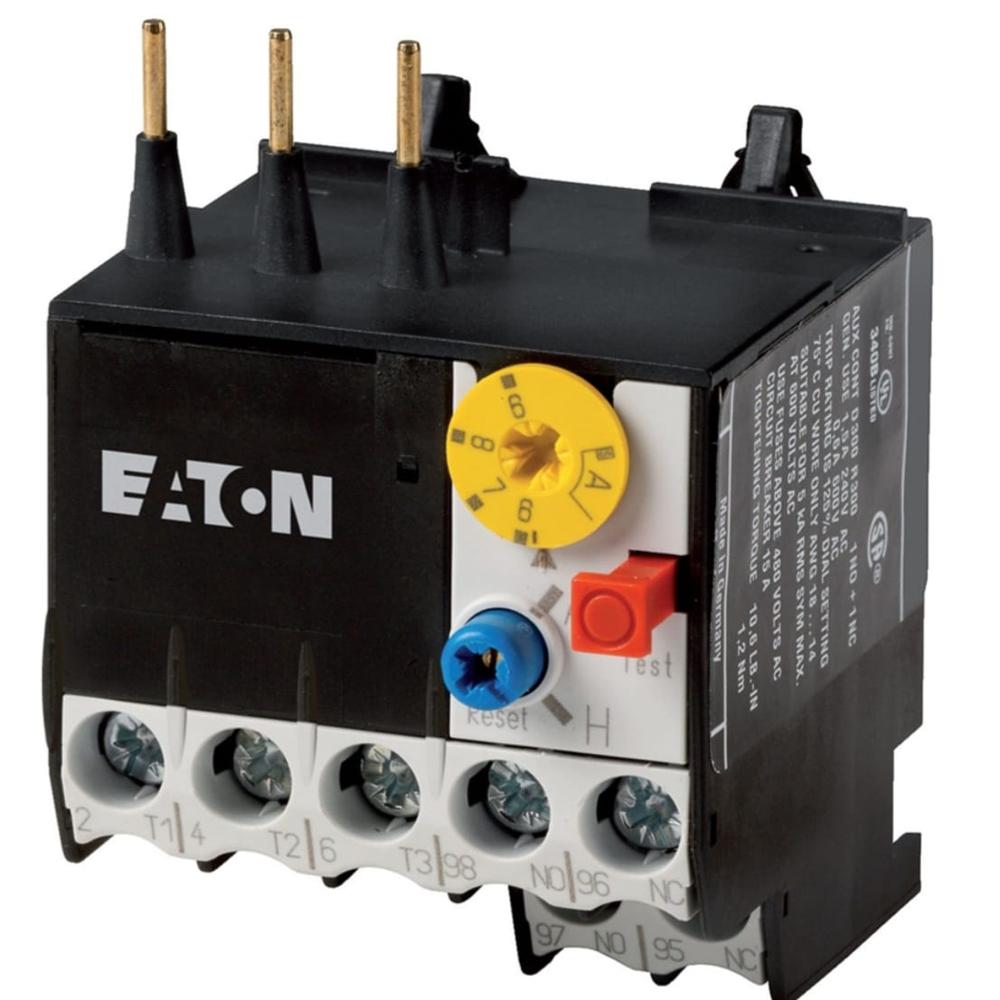
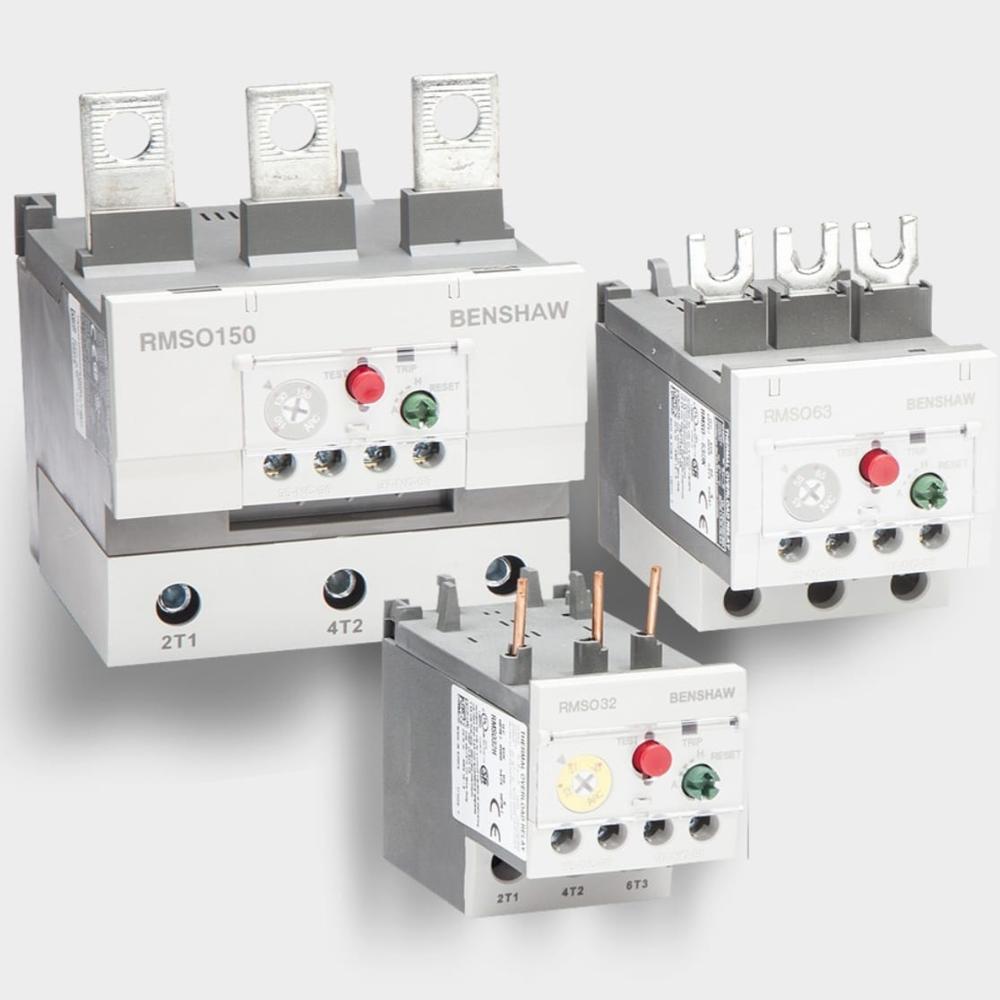
Product Description: Single-Phase Bimetallic Overload Relay
A single-phase bimetallic overload relay is an electrical protective device designed to safeguard single-phase AC motors from overcurrent, overheating, and phase loss conditions. It uses a bimetallic strip, made of two metals with different expansion rates, which bends when excessive current heats the strip. This bending triggers the relay to disconnect the motor from the power supply, preventing motor damage and ensuring operational safety.
Enhanced SafetyIntegrated single phasing protection ensures device safety, avoiding damage due to voltage irregularities.
Versatile MountingOptions for handheld or tripod mounting provide flexibility for various industrial setups.
FAQs of BIMETAL RELAY WITH SINGLE PHASING PROTECTION:
Q: What is a bimetal relay with single phasing protection?
A: A bimetal relay with single phasing protection is a device designed to protect industrial machinery by sensing voltage issues and preventing equipment damage.
Q: How does this product benefit industrial applications?
A: The relay provides security against voltage faults, which increases equipment life and reduces downtime in industrial settings.
Q: Where can this relay be mounted?
A: It can be mounted handheld or using a tripod mount, depending on the application requirements.
Q: When is this relay used?
A: It is used in industrial settings where machinery needs protection from voltage irregularities and single phasing occurrences.
Q: What are the main features of this relay?
A: It is semi-automatic, robust with good hardness, operates at 50-60 Hz frequency, and provides reliable single phasing protection.
Q: How is this relay operated?
A: It is operated manually, offering control to the user for precise device management.
Q: What is the process of installation for this relay?
A: Installation involves mounting the relay using handheld or tripod methods, connecting it to the equipment, and configuring it for system-specific settings.




 Send Inquiry


 Send Inquiry