About SOLID STATE RELAY AUTONICS
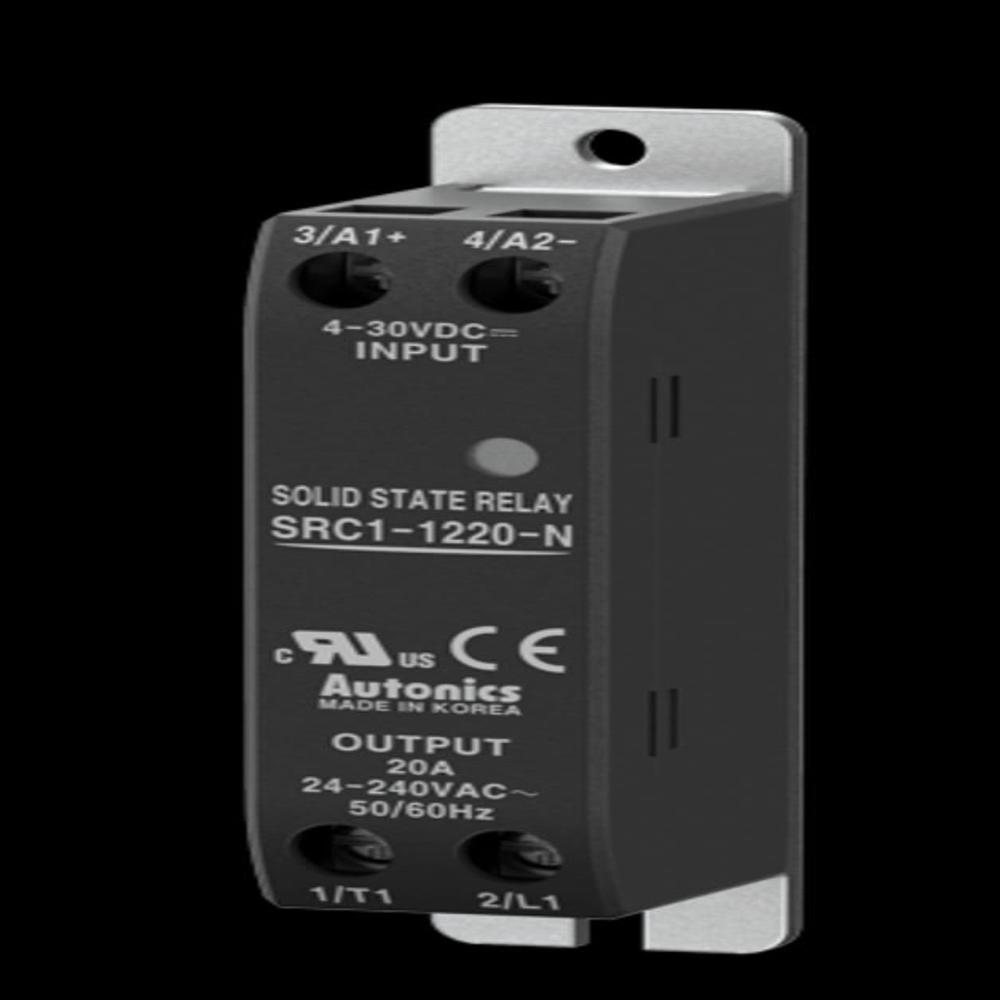
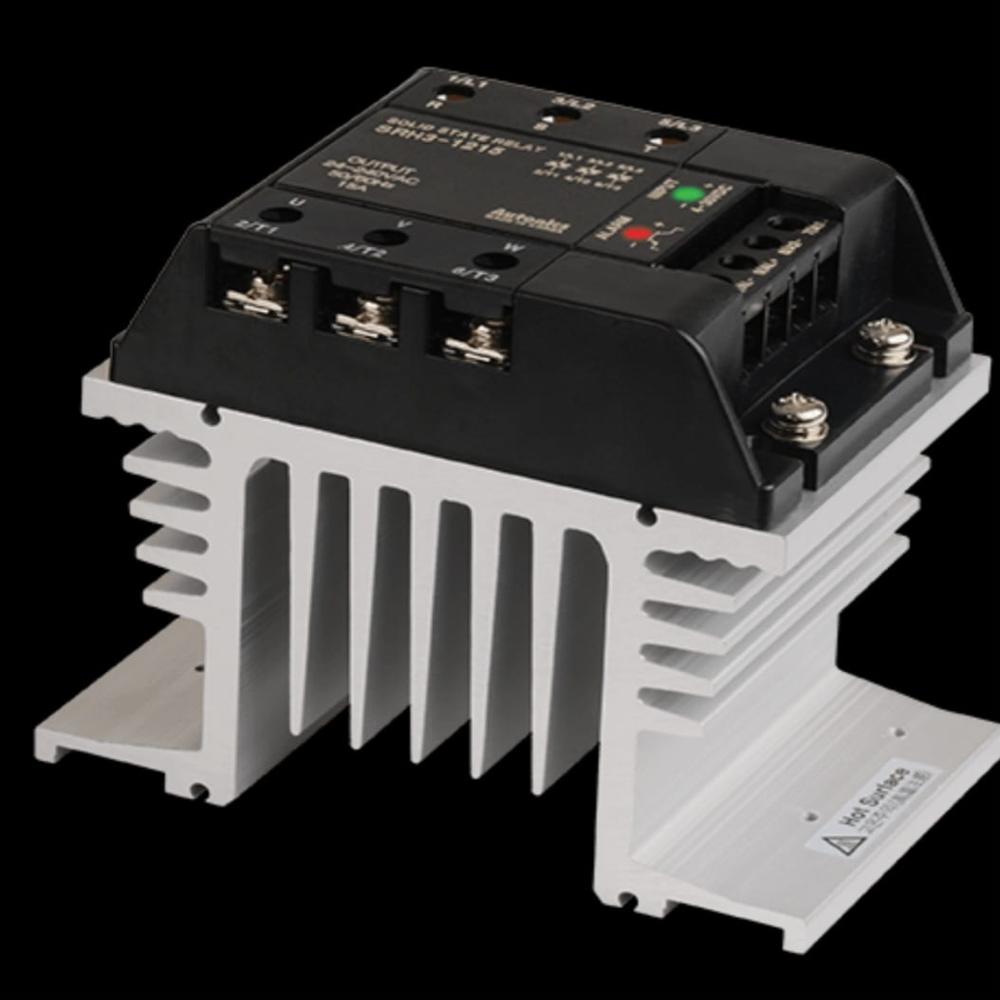
Product Description Autonics Solid State Relays (SSR)
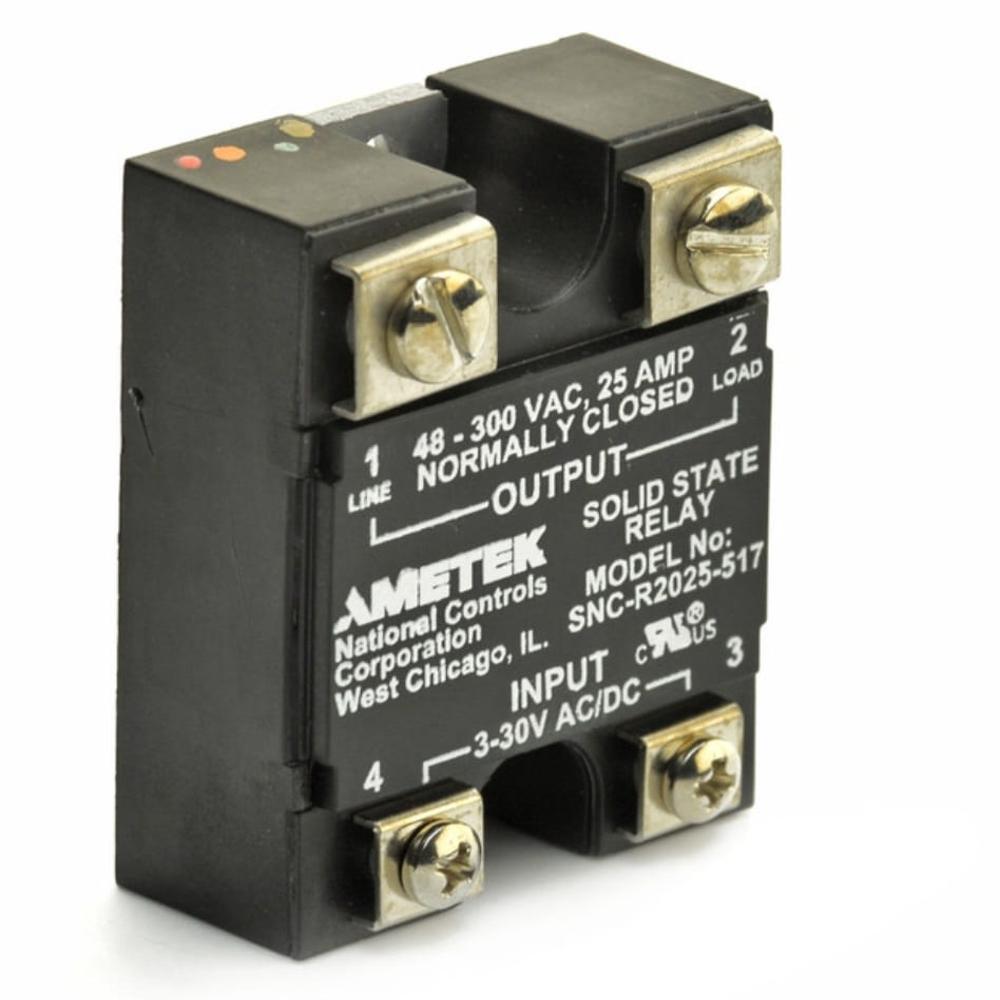
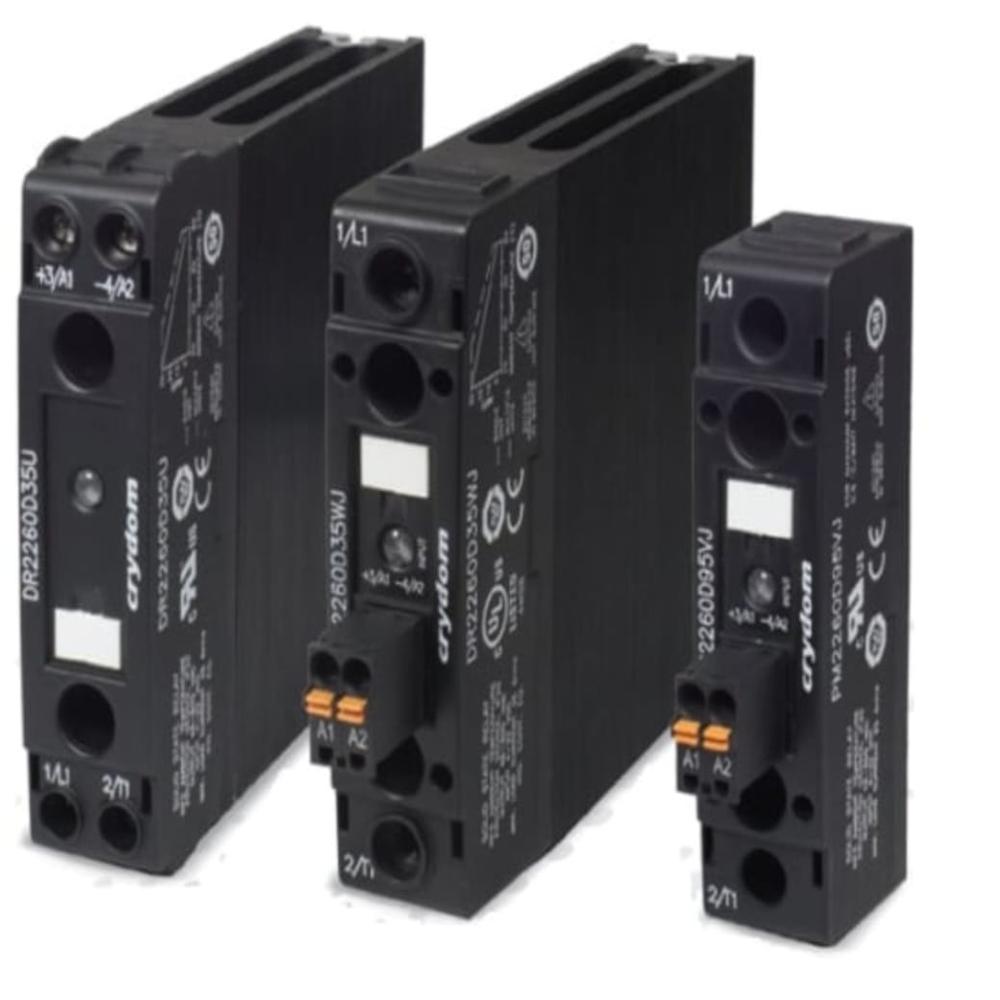
Autonics Solid State Relays (SSR) are non-contact switching devices designed for reliable and high-speed control of AC and DC loads. Unlike mechanical relays, SSRs use semiconductor switching elements (TRIAC, thyristor, or MOSFET) to provide silent, spark-free, and long-life operation.
They are available in single-phase and three-phase types, with wide load voltage ranges (24480 VAC / 3110 VDC) and current capacities (10A to 100A).
Autonics SSRs are equipped with zero-cross and random turn-on switching modes to suit both resistive and inductive loads. Input and output are isolated by an optical isolation circuit to ensure safe operation.
These relays feature LED input indicators, snubber protection (in some models), and are designed for panel or DIN-rail mounting, making them ideal for industrial automation and control applications.
IntroductionLearn about Autonics Solid State Relays designed for precision and durability.
FeaturesExplore the advantages like a wide voltage range and ease of use.
Versatile ApplicationsPerfect for various industrial purposes requiring manual operation.
FAQs of SOLID STATE RELAY AUTONICS:
Q: What is a solid state relay and how does it function?
A: A solid state relay (SSR) is an electronic switching device that uses semiconductor components to control output signal flow. It operates without moving parts, making it energy-efficient and durable.
Q: How does the Autonics solid state relay support industrial applications?
A: The Autonics solid state relay is designed with a manual operational method, specifically tailored to industrial settings that require robust and stable frequency operation between 50-60 Hz.
Q: What is the voltage range supported by the Autonics solid state relay?
A: The Autonics solid state relay supports a voltage range from 110 to 215 volts, accommodating varying device requirements.
Q: What mounting options are available for this relay?
A: This relay offers flexibility by being installable either handheld for portability or on a tripod for fixed applications.
Q: When should you opt for a manual solid state relay?
A: A manual solid state relay is ideal when precise control is required without the complexity of automated systems, making it perfect for certain industrial processes.
Q: What are the benefits of solid state relays over traditional relays?
A: Solid state relays offer advantages including lower electrical noise, faster response times, higher reliability, and longer service lives.




 Send Inquiry



 Send Inquiry